

All Koi-keepers should be aware of the vital importance of maintaining good water quality in their ponds, and the need to have a good test kit in order to be able to regularly monitor what is happening.
What are the symptoms of high Ammonia in koi ponds?
Koi that are suffering in high levels of ammonia will become irritated and will exhibit symptoms such as burns on fins and gills, clamped fins, isolation, or lying on the pond bottom.
Ammonia poisoning is currently impossible to cure, however it can be prevented easily by first “cycling” the pond filtration system (see below). Treatments include immediately reducing the ammonia level through many small water changes.
The measurement of ammonia concentration (and that of many other water quality variables) provides only a snapshot of conditions at the time the water sample is collected. A single measurement provides no insight into the processes that affect ammonia concentrations; it is simply the net result of processes that produce ammonia and processes that remove or transform the ammonia – at that point in time.
The relationships between these processes are complex, but the important point is that the levels of pollutants change differentially throughout the year, and for a whole variety of reasons.
So- where does the ammonia come from?
It is relatively rare, in a natural pond, for levels of nitrogen-containing compounds to reach toxic levels, BUT the contained space of an artificial Koi pond is the ideal situation for your fish to get sick due to nitrogen pollution. In fact, it can even prove fatal.
The main source of ammonia in ponds is fish excretion.
The rate at which fish excrete ammonia is directly related to the feeding rate and the protein level in the feed. As dietary protein is broken down in the body, some of the nitrogen is used to form body protein (including muscle), some is used for energy, and some is excreted through the gills as ammonia. Thus, protein in feed is the ultimate source of most ammonia in ponds where fish are actively fed.
Another source of ammonia in ponds is diffusion from sediment which can not only collect on the bottom of the pond itself, but also in any “dead” areas within the filtration system if there is one. Large quantities of organic matter are produced by algae or added to ponds as feed. Faecal solids excreted by fish, uneaten food, and dead algae settle to the pond bottom, where they decompose. The decomposition of this organic matter produces ammonia, which diffuses from the sediment into the pond water.
So- what happens to the Ammonia?
In an artificial situation such as a Koi pond, there are two main processes that result in the loss and/or transformation of ammonia.
The most important process of ammonia transformation in ponds is “nitrification” – the process that goes on in the biological parts of the filtration system. Nitrifying bacteria oxidise ammonia in a two-step process, first to nitrite (NO2 -) and then to nitrate (NO3 -).
The main factors that affect nitrification rate are ammonia concentration, temperature and dissolved oxygen concentration. During summer, ammonia concentration is generally very low and so nitrification rates are also very low. During winter, lower temperatures suppress microbial activity. During spring and autumn, ammonia concentration and temperature are intermediate, conditions that favour maximum nitrification rates. Spring and autumn peaks of nitrite concentration are commonly seen in Koiponds.
The other important process is the uptake of ammonia by algae and other plants. Plants use the nitrogen as a nutrient for growth, “packaging” the nitrogen in an organic form. Algal photosynthesis acts like a “sponge” for ammonia, so anything that increases overall algal growth will increase ammonia uptake. Such factors include sufficient light, warmer water temperatures, abundant nutrient supply, and (to a point) algal density.
Other processes, such as the volatilisation of ammonia gas from the pond surface into the air, are responsible for a relatively small and variable amount of ammonia loss from ponds.
So- what is nitrification? – a brief overview of the Nitrogen Cycle.
In nature the Nitrogen Cycle is a full circle:
Nitrogen from air → is taken up by plants → eaten by animals→ denitrified by bacteria → back to air
However, in an artificial situation, such as a koi pond, this process becomes more of a biochemical cascade, than a cycle.

ammonia →nitrite → nitrate**.
** One type of bacteria (nitrosomas) use the ammonia as a food source. The nitrosomas bacteria then excrete nitrite as a by- product. Other bacteria (nitrobacter) consume the nitrite and convert it into nitrate, which is a lot less toxic. Another group of bacteria break down the nitrate into free ammonia, or nitrogen gas, which is released into the atmosphere when it reaches the surface of the water and comes into contact with air.
Biological filtration in a pond involves the continual chemical degradation of nitrogenous compounds, largely ammonia, which is a by-product of metabolism via the alimentary canal and kidneys (digestion) and respiration via the gills (breathing).
The resulting nitrates are then taken up by any algae or plants in the pond system or removed from the water by other means
Ammonia, nitrite, and nitrate are the main biological toxins that occur in a Koi pond, so the nitrogen “cycle” must be established effectively in order to convert and remove all of these waste by-products.
In an enclosed pond system, this “cycle” is established over time, and it can take several months for a new filtration system to fully develop and be able to convert all the ammonia waste into nitrate.
How is this equilibrium achieved?
Stocking a new pond slowly, and gradually over time with younger, smaller fish (or a suicide squad of low value fish) is the recommended approach – allowing the nitrogen converting bacterial colony time to grow, and hence, to keep pace with the gradual increase of waste matter.
AMMONIA
As we have seen when in contact with the bacteria, urea and proteins produced by the fish are converted into ammonia immediately (step 1).
Under normal conditions, ammonia is a colourless, pungent gas which, if allowed to accumulate in pond systems, is highly toxic to fish. When this happens, fish cannot extract energy from their food efficiently.
If the ammonia concentration gets high enough, the fish will become lethargic and eventually fall into a coma and die.
What level is acceptable?
The ideal ammonia level for your koi pond is 0.00 ppm (parts per million).
You should be concerned if the ammonia level reaches 0.25 ppm in your koi pond as water quality is now deteriorating. At this point your fish will be greatly affected by the presence of the ammonia.
In properly managed ponds, ammonia seldom accumulates to lethal concentrations. However, ammonia can have so-called “sub-lethal” effects – at concentrations that are lower than lethal concentrations. The pollutant level can even be so low that it doesn’t show up on a water test, and yet still have a detrimental effect on the fish — causing symptoms such as reduced growth, poor feed conversion, and reduced disease resistance.
Symptoms of Ammonia Poisoning
Initially, the fish might appear to be gasping at the surface for air. Their gills will take on a red or lilac colour, making them look like they’re bleeding. Your fish will start losing their appetites, as their bodily functions fail, and they will become increasingly lethargic.
SO – what causes the ammonia levels to rise?
If the ammonia level gets too high, it’s usually because the biological filtration system is unable to cope with the load being put through it. This can be due to a number of things:
- the filtration system is not working well enough
- it may not be adequate to cope with the load
- if it is a new filter system which has not had time to fully establish
- there are too many fish in the pond,
- the fish are being fed more than they need for healthy survival.
But if the biological filtration system is in balance, the “nitrogen-fixing bacteria” will then consume (oxidize) this ammonia (step 2), changing it to nitrite (nit-RITE).
NITRITE
Nitrites are the most common killers of pond fish.
WE MUST therefore, guard against the build-up of nitrites in the pond system
Nitrites occur in the pond through the inadequate conversion (oxidation) of ammonium ions. Nitrifying bacteria convert the nitrite into nitrate (nit-RATE) (step 3), thereby rendering it mostly harmless.
The ideal range for nitrite is 0.00 parts per million. A reading of 0.25 ppm or higher is dangerous to your fish and indicates that you need to take immediate action to reduce the nitrite level in your pond.
The simplest first step in preventing nitrite build-up is to prevent ammonia build up in the first place. As above this is achieved by:
- ensuring adequate biological filtration
- making sure there are not too many fish in the pond.
- not over feeding
- carrying out a partial water change regularly (not exceeding 20% of the total volume) with de-chlorinated water, not tap water.
- making sure there are not too many total living animals in the pond. (Many who are new to the hobby forget that even, algae eaters, snails and “cleaner fish” such as grass carp and sterlets etc. still produces waste and add to the total level of ammonia and nitrite.)
- Increasing aeration*
*The toxic form of ammonia (NH3) is a dissolved gas, so some people believe pond aeration is one way to get rid of ammonia – because it accelerates the diffusion of ammonia gas from pond surface to the air.
However, research has demonstrated that aeration alone is ineffective at reducing ammonia concentration because the volume of water affected by aerators is quite small in comparison with the total pond volume and because the concentration of ammonia gas in water is typically fairly low (especially in the morning).
In fact, intensive aeration may actually increase ammonia concentration because it lifts and disturbs pond sediments.
NITRATE
As we have seen nitrates are produced mainly through the breakdown of animal protein and ammonium compounds. Examples are urine, excrement, foodstuffs, and the remains of dead fish, snails, plant leaves and other detritus.
Nitrates are the last chemical produced in the nitrification cycle.
At levels below 80 ppm, nitrates are not usually a problem. They are relatively non-toxic compared to ammonia and nitrites but can kill fish at levels over 300 ppm. In most ponds, they are consumed by the algae and/or plants in the pond well before killing the fish.
However, as accumulation of nitrates can cause problems such as damage to the veins in koi fins and skin, depressed immune systems, and even reproductive problems.Koi in high nitrate conditions may hang in the water and appear lethargic but perk up and become energetic for a feeding then quickly return to their prior state of lethargy.
Plants can help reduce ammonia, nitrite and nitrates
Because they actively use nitrogen, aquatic plants can also greatly reduce the levels of nitrate in a well-adjusted pond system. In a natural ecosystem, the plants remove and use nitrates. However, koi are notorious for eating plants, so in an unplanted system, the pond owner must ensure its removal at this final stage of the cascade
Effects of pH and temperature on ammonia toxicity
Ammonia in water is either un-ionised ammonia (NH3) or the ammonium ion (NH4 +). The techniques used to measure ammonia provide a value that is the sum of both forms. The value is reported as “total ammonia” or simply “ammonia.”
Increasing pH shifts ammonia toward the form that is toxic to fish.
The relative proportion of the two forms present in water is mainly affected by pH. Un-ionised ammonia is the toxic form and predominates when pH is high (water is alkaline). Ammonium ion is relatively non-toxic and predominates when pH is low (ie water is becoming acidic).
In general, less than 10 percent of ammonia is in the toxic form when pH is less than 8.0. However, this proportion increases dramatically as pH increases (ie water is becoming more alkaline).
In ponds, pH fluctuates with the photosynthesis (which increases pH) and respiration (which reduces pH) of pond organisms. Therefore, the un-ionised, toxic form of ammonia usually predominates during the late afternoon and early evening, and the less toxic, ammonium ions predominate from before sunrise through to early morning.
The equilibrium between NH3 and NH4 + is also affected by temperature.
At any given pH, there is usually more toxic ammonia present in warmer water than in cooler water.
What happens in the cooler months during winter?
Fish are fed, if at all, when they are actively looking for food. This is usually on only the warmest days of winter, when the water temperature is higher – around 10 degrees C. So, it is generally assumed that ammonia is not a problem in the winter because feeding rates are very low.
However surprisingly, ammonia concentration can be greater during winter than during summer.
This is thought to be because, during winter, algae die back and therefore take up little of the ammonia produced by the fish, but the ammonia supply continues, both from the metabolism of food by the fish, and from the decomposition of organic matter that accumulated as pond sediment during the growing season. In general, the magnitude and duration of high ammonia concentrations during the late autumn and winter can be related to the total amount of feed added to a pond during the preceding growing season.
The relatively low concentration during summer can be attributed to good filtration combined with the action of algae (and/or other plants) in the pond, which remove ammonia due to photosynthesis,
Adding acid to reduce the pH
NB Working with strong mineral acids is a safety hazard for pond owners and their fish.
In theory, adding acid (such as hydrochloric acid) to water will reduce pH. This can shift the ammonia equilibrium to favour the non-toxic ion form.
However, in well-buffered ponds a large amount of acid would be necessary to reduce the pH and it would have to be mixed thoroughly and rapidly throughout the pond to prevent “hot spots” that could kill fish.
Furthermore, adding acid would destroy much of the buffering capacity (alkalinity) of the pond system before any change in pH could occur. Once the ammonia concentration is lowered, treated ponds will often require the buffering capacity to be re-established.
Adding ion exchange materials
Certain naturally occurring materials, for example zeolites, can adsorb ammonia from water. This may be practical to use in aquaria or other small-scale, intensive fish-holding systems such as moderately sized Koi ponds, but it is impractical for large volume ponds.
Some shrimp farmers in Southeast Asia have tried making monthly applications of zeolite at 200 to 400 pounds per acre. However, research has demonstrated that this practice is ineffective at reducing ammonia concentration in ponds and it has now been abandoned.
What happens after the “crash” of an algae bloom and/or the use of blanketweed treatment?
Some ponds have very dense algae blooms dominated by one or two species. For reasons that are not well understood, these blooms are sometimes subject to spectacular collapse, often called a “crash,” where all the algae suddenly die. Or you may have treated your pond for blanketweed (a plant) which has caused it to die off and become debris in the pond.
In either situation, when this occurs, ammonia concentration increases rapidly because one of the main mechanisms which reduce ammonia levels in a pond — algal and plant uptake—has been significantly reduced or even completely eliminated.
Rapid decomposition of dead algae and/or blanketweed, reduces the dissolved oxygen concentration and pH, and increases ammonia and carbon dioxide concentrations. In other words, the ammonia concentration can increase significantly, and the pH can decline, making the water more acidic.
The 4-day chronic criterion, the appropriate criterion to apply following the crash of an algae bloom, ranges from about 2.0 mg/L at pH 8.0 to about 3.0 mg/L at pH 7.8. Therefore, ammonia concentration after the crash of an algae bloom may exceed the 4-day chronic criterion.
To summarise
Fish keepers should be alarmed if ammonia concentration becomes elevated, as a high ammonia level often indicates that nitrite concentrations may soon rise. In this case, focus on protecting fish from nitrite poisoning by adding salt, but better still trying to manage the ammonia problem.
Extra vigilance after an algae crash is vital. Usually, the concentration of ammonia will fall again once the algae become re-established or the filter catches up.
Prevention is better than a cure.
Because there is little that can be done to correct problems with ammonia once they occur, the key to ammonia management is to use good pond keeping practices that minimise the likelihood of such problems developing in the first place. This means:
-
ensuring that your filtration system is balanced, healthy, well maintained and up to the job
-
stocking fish at a reasonable density,
-
using good quality food,
-
and feeding practices that maximise the proportion of the feed consumed and digested by the fish.
YOU CAN NEVER OVER FILTER A KOI POND.
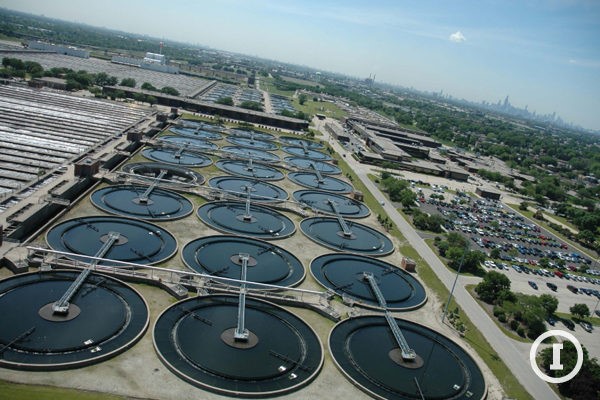
IF YOU HAVE PROBLEMS THEN INCREASE YOUR BIOLOGICAL FILTRATION